

The Heavy Tech Machinery Guide: Powering Our Modern World
Most of us drive past construction sites or see clips of massive mining operations without giving the colossal machines doing the work a second thought. These giants of steel and hydraulics are the backbone of modern industry. But what exactly qualifies as "heavy tech machinery," and why is it so critical to our daily lives?
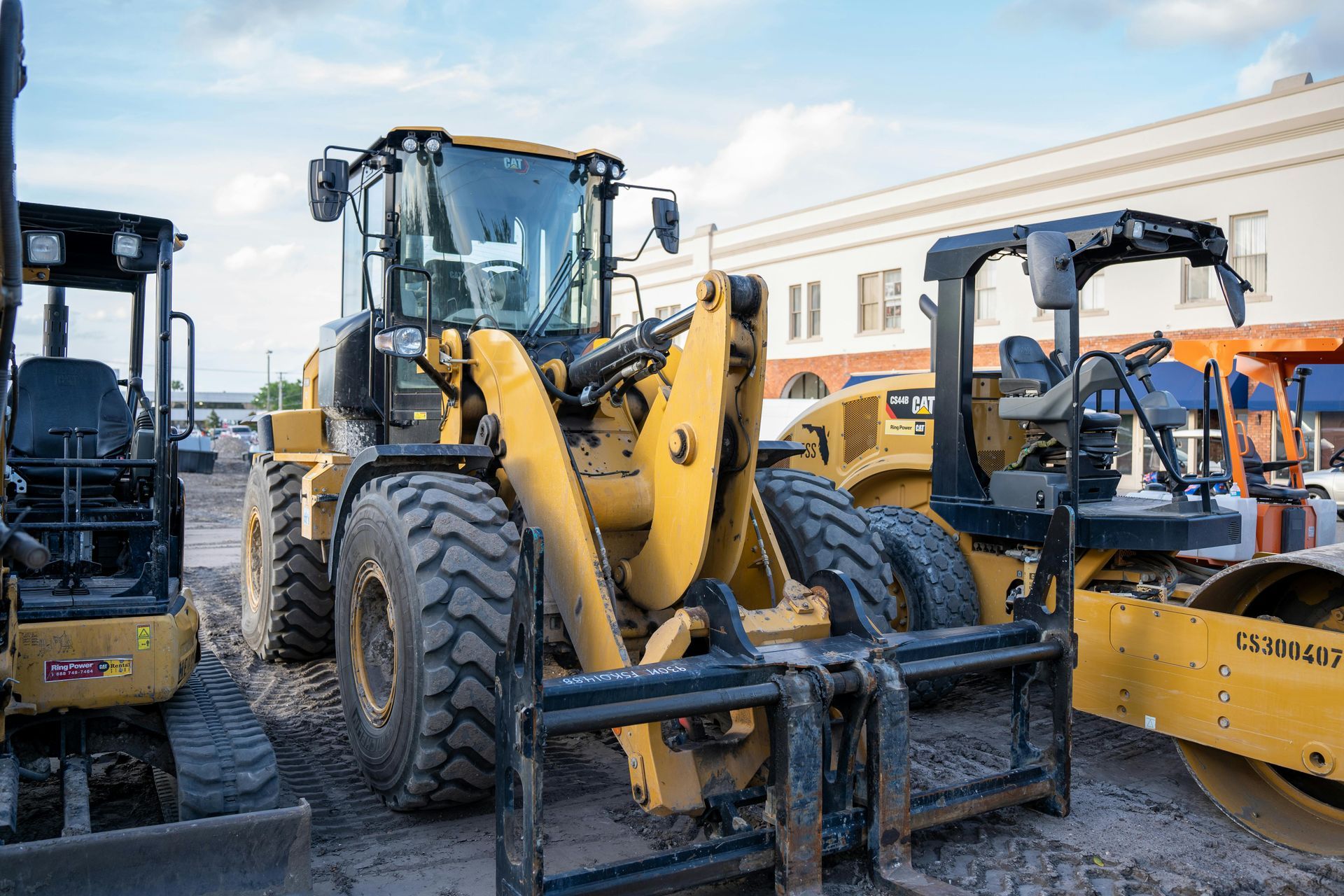
Defining Heavy Tech Machinery
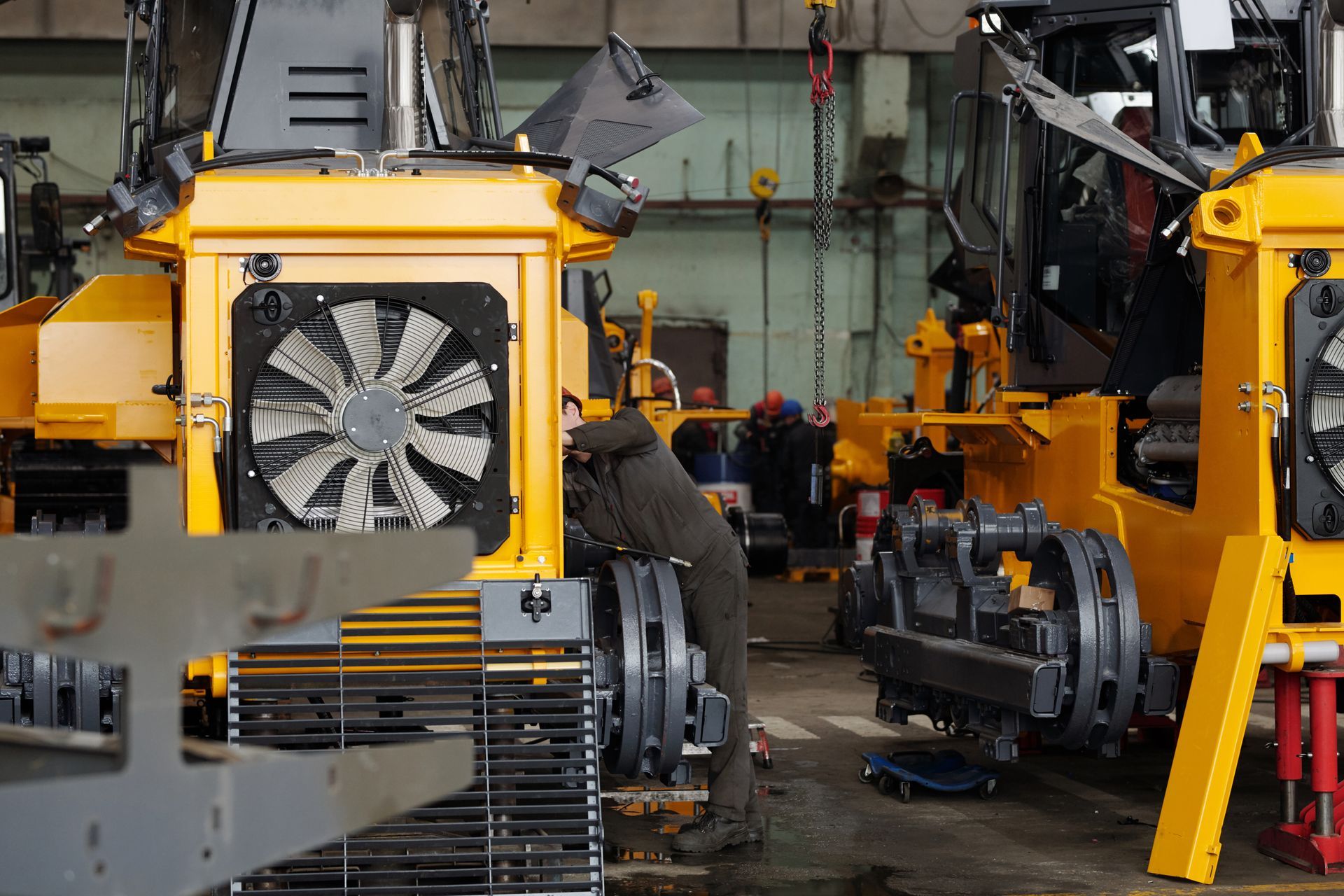
Heavy tech machinery refers to large-scale, heavy-duty vehicles and equipment designed for executing construction tasks, earthwork operations, and other large engineering projects. Unlike standard machinery, "tech" in this context implies the integration of advanced systems—telematics, GPS automation, and sophisticated hydraulic controls—that make these machines smarter and more efficient than their predecessors.
This equipment generally shares five key characteristics:
- Massive Scale: They are physically large and heavy, often requiring special permits for transport.
- Specialized Function: Each machine is built for a specific, rigorous task like digging, lifting, or grading.
- Power: They operate with high-torque diesel engines and complex hydraulic systems.
- Durability: They are built to withstand extreme environments, from freezing mines to scorching deserts.
- Technological Integration: Modern units use sensors and data analytics to optimize performance.
The Pillars of Industry: Where Heavy Machinery Works
You won't find these machines in a typical garage. They dominate sectors where manual labor is impossible due to the scale of the work require
Construction and Infrastructure
This is the most visible sector. From building skyscrapers to laying interstate highways, heavy machinery does the heavy lifting.
- Excavators: The recognizable machines with a boom, dipper, and bucket. They dig trenches, demolish buildings, and lift heavy pipes.
- Bulldozers: Equipped with a massive metal plate (blade), they push large quantities of soil, sand, or rubble during construction.
- Cranes: Essential for vertical construction, lifting steel beams and concrete slabs hundreds of feet into the air.
Mining and Extraction
Mining requires moving millions of tons of earth to reach valuable resources. The machinery here is often the largest on the planet.
- Draglines: Huge excavators used in surface mining to strip overburden (waste earth) away from coal or minerals.
- Haul Trucks: These dump trucks are the size of houses, capable of carrying 400 tons of material in a single load.
Manufacturing and Material Handling
Inside and outside factories, heavy machinery keeps supply chains moving.
- Forklifts and Telehandlers: While smaller than mining trucks, industrial-grade forklifts lift massive pallets and containers.
- Conveyor Systems: Heavy-duty automated belts move raw materials like iron ore or grain through processing plants.
Why Advanced Technology Matters
The "tech" part of heavy tech machinery is changing the game. It isn't just about raw power anymore; it's about precision.
Modern excavators use GPS to dig trenches to the exact inch required by blueprints, eliminating human error. Telematics systems send real-time data to fleet managers, reporting fuel usage, idle time, and engine health. This data helps companies reduce their carbon footprint and save thousands of dollars in fuel costs. Furthermore, safety technology has improved drastically. Proximity sensors and 360-degree cameras help operators see blind spots, preventing accidents on busy job sites.
The Critical Role of Maintenance
Owning heavy machinery is a massive investment. A single specialized excavator can cost upwards of $500,000. Protecting that investment requires rigorous maintenance.
When a machine breaks down, the cost isn't just the repair bill. It's the "downtime." If a crane stops working on a high-rise project, the entire site shuts down. Carpenters, welders, and concrete pourers are left waiting, costing the project thousands of dollars per hour.
Preventative vs. Reactive Maintenance
Smart operators focus on preventative maintenance. This means servicing the machine before it breaks. It involves:
- Regular oil and fluid analysis.
- Checking hydraulic hoses for wear.
- Undercarriage inspections.
- Software updates for onboard computers.
Reactive maintenance—fixing it after it breaks—is almost always more expensive and disruptive.
Choosing the Right Partner
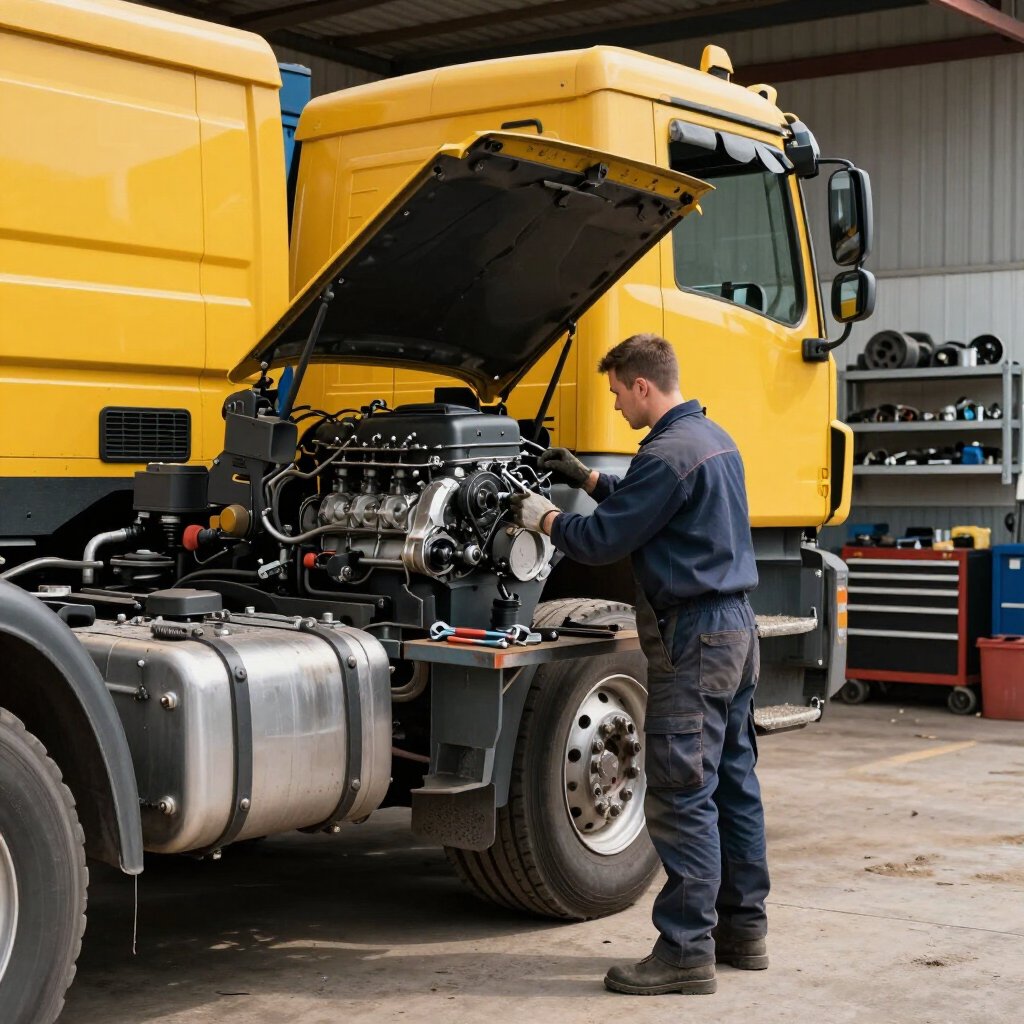
Because these machines are so complex, general mechanics often lack the specialized diagnostic tools required for repairs. You need experts who understand both the heavy iron and the sensitive electronics. This is where HeavyTech Services comes in. As a dedicated provider for heavy machinery maintenance and repair, they specialize in keeping your fleet operational. Whether it’s diagnosing a complex hydraulic failure or performing routine preventative checks, their team ensures your equipment lasts longer and works harder.
Relying on professionals like HeavyTech Servis minimizes unexpected downtime and maximizes the return on your massive in Heavy tech machinery is the muscle behind our modern infrastructure. From the roads we drive on to the materials in our smartphones, we rely on these machines to move the world. Understanding their complexity highlights why professional care is non-negotiable.
If you manage a fleet or own heavy equipment, don't wait for a breakdown to think about maintenance. A proactive approach keeps your projects on time and your budget intact..