

Preventive Maintenance Tips That Help Reduce Costly Heavy Equipment Repairs
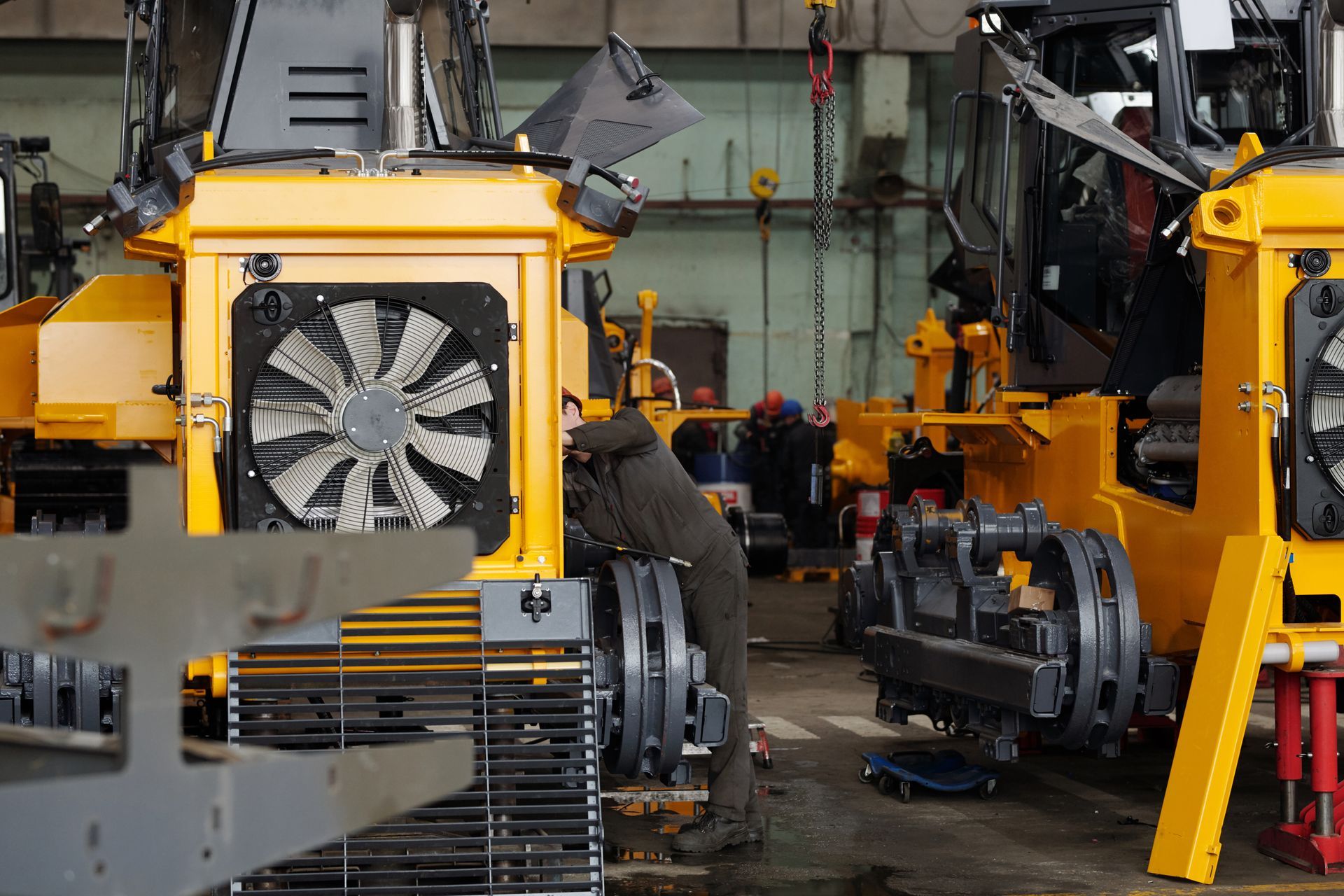
Heavy equipment earns its value when it is available, productive and safe to operate. A breakdown can stop a job, delay other trades, create transportation costs and turn a small defect into a major repair. Preventive maintenance helps equipment owners identify problems earlier and plan service around operations.
The correct schedule depends on the machine, duty cycle, environment and manufacturer. The following practices can help reduce unexpected
heavy equipment repair in Hamilton.
Follow the Manufacturer’s Service Intervals
Use the operator’s and service manuals as the baseline for maintenance. They identify fluid specifications, filter intervals, lubrication points, inspection procedures and torque requirements.
Hour-meter intervals are important, but calendar time and operating conditions matter too. A machine that idles frequently, works in dust or handles heavy loads may need more attention than one operating in moderate conditions.
Complete Daily Walk-Around Inspections
Operators should inspect the machine before use. Look for leaks, loose hardware, damaged hoses, worn cutting edges, cracked welds, debris buildup, missing guards and visible tire or track problems.
Check fluid levels according to the manufacturer’s procedure. Inspect steps, handrails, lights, mirrors, alarms and safety devices. A short walk-around can catch a leaking hose or loose component before it causes downtime.
Train Operators to Report Changes
The person using the machine is often the first to notice a new sound, vibration, smell, warning light or performance change. Create a simple reporting process and encourage operators to speak up immediately.
Small changes should not be dismissed because the machine still runs. Heat, slow hydraulic response, hard starting or unusual exhaust may indicate a developing issue.
Keep Maintenance Records
Record service dates, hour readings, fluids, filters, measurements, repairs and inspection findings. Good records show whether a component is failing repeatedly and help planners anticipate upcoming work.
Documentation also supports warranty claims, resale value and communication between operators, managers and technicians. The record should follow the machine, not remain in one person’s memory.
Use the Correct Fluids and Filters
Hydraulic oil, engine oil, coolant and grease are not interchangeable commodities. Use products that meet the equipment manufacturer’s specifications and keep containers clean.
Low-quality or incorrect filters may reduce protection. Contamination introduced during topping up can damage sensitive hydraulic components. Clean transfer equipment and proper storage are part of maintenance.
Control Contamination
Dirt is especially harmful to hydraulic systems. Clean around fill points before opening them, cap disconnected lines and use clean tools. Replace damaged breathers and inspect seals.
Fluid sampling can help identify contamination, wear metals or coolant entry before a failure becomes obvious. Trend results over time rather than relying on one sample alone.
Inspect Hydraulic Hoses and Cylinders
Look for abrasion, cracking, blistering, exposed reinforcement, leaks and damaged fittings. Check routing so hoses are not rubbing or pulled tight through the machine’s range of motion.
Never use a hand to search for a high-pressure leak. Escaping fluid can penetrate skin and requires emergency medical attention. Shut down, relieve pressure and use the safe procedure specified for the equipment.
Maintain Cooling Systems
Debris around radiators, coolers and screens restricts airflow and contributes to overheating. Clean them using a method that does not bend fins or drive contamination deeper.
Check coolant condition, belts, clamps and hoses. Repeated overheating should be diagnosed rather than managed by adding fluid or pausing work.
Pay Attention to Undercarriages and Tires
Tracked equipment requires regular inspection of track tension, rollers, sprockets, idlers and shoes. Incorrect tension increases wear and can affect performance. Mud and packed debris should be removed where required.
For wheeled equipment, inspect inflation pressure, tread, sidewalls, wheel hardware and visible damage. Uneven wear may reveal alignment, loading or operating issues.
Lubricate Consistently
Grease reduces friction and pushes contaminants away from pins and bushings. Use the correct grease and interval, and clean fittings before connecting the gun.
Too little lubrication accelerates wear; excessive grease can damage seals or attract debris. Difficult-to-access points should not be skipped.
Maintain Batteries and Electrical Connections
Inspect battery condition, mounting, cables and terminals. Corrosion, loose connections and damaged wiring can create intermittent faults that are difficult to diagnose.
Modern machines rely on sensors and electronic controls. Protect connectors during washing and address warning codes using appropriate diagnostic information rather than replacing parts by guesswork.
Plan Downtime for Inspections
A planned service window is usually less expensive than an emergency stoppage. Coordinate maintenance with project schedules and combine compatible tasks when practical.
Seasonal inspection can prepare equipment for cold starts, summer heat or periods of storage. Machines returning from long idle periods should be checked before full production.
Know When Specialized Service Is Needed
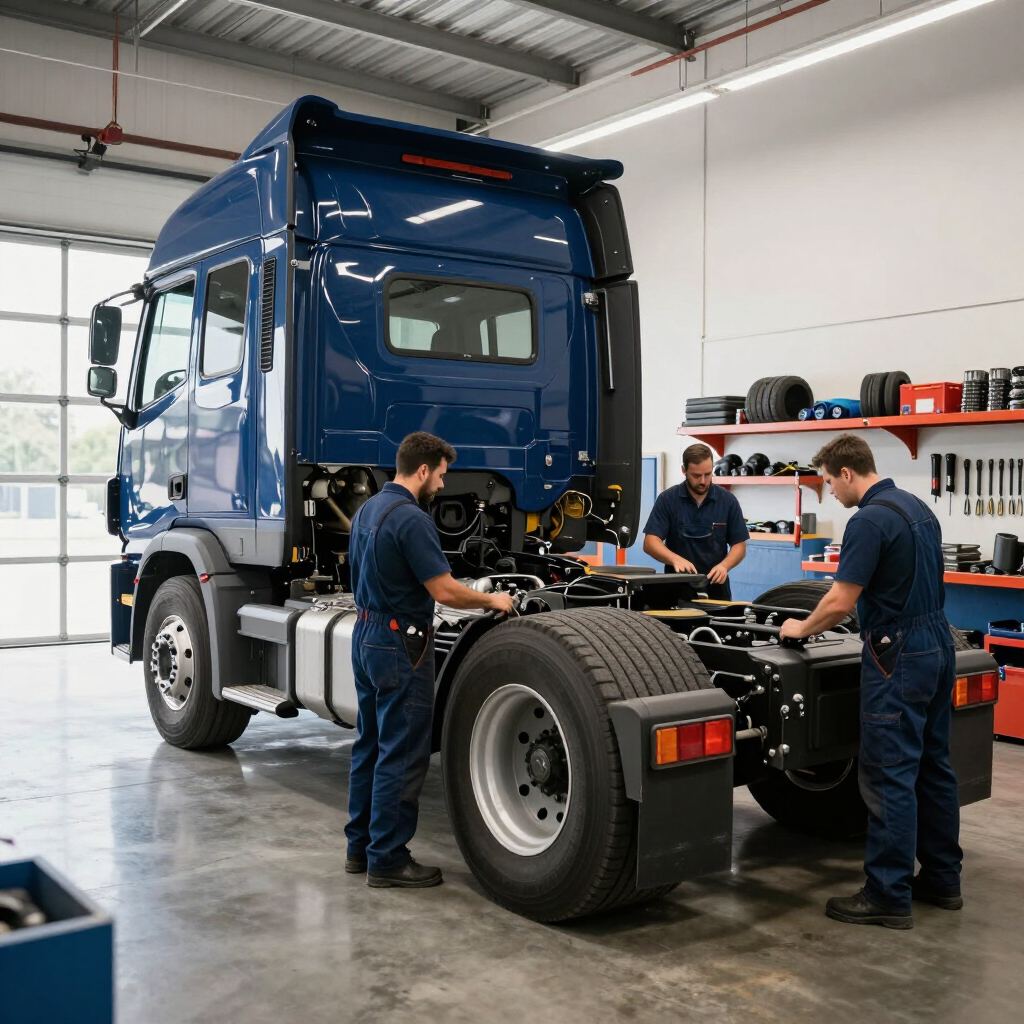
Some work requires trained technicians, specialized tooling, lifting equipment or diagnostic software. Complex hydraulic, powertrain, electrical and structural repairs should be handled with the appropriate expertise.
Heavy Tech Equipment Services provides heavy equipment repair in Hamilton, including support for specialized machinery such as Sennebogen equipment. Early diagnosis can protect related components and reduce the length of the outage.
Build Maintenance Into Daily Operations
Preventive maintenance works when it is consistent. Clear inspection forms, assigned responsibility, stocked service items and reliable records turn good intentions into routine practice.
The goal is not to eliminate every failure. It is to find wear and defects sooner, schedule repairs more effectively and keep equipment productive for as long as possible
Frequently Asked Questions About Equipment Maintenance
How often should heavy equipment be inspected?
Operators should complete pre-use checks, while scheduled maintenance should follow the manufacturer, hour meter and operating conditions.
Are warning lights safe to ignore if the machine still runs?
No. A warning may identify a condition that can damage related systems or create a safety issue. Follow the manual and arrange diagnosis.
What maintenance records should be kept?
Record inspections, hours, fluids, filters, repairs, samples, fault codes and technician recommendations for each machine.
Why Does Preventive Maintenance Save Money?
Planned service lets owners combine inspections, parts and labour during controlled downtime. Early repair may prevent a worn hose, bearing or cooling component from damaging a more expensive system. It also improves scheduling because parts and technicians can be arranged before the machine stops unexpectedly.